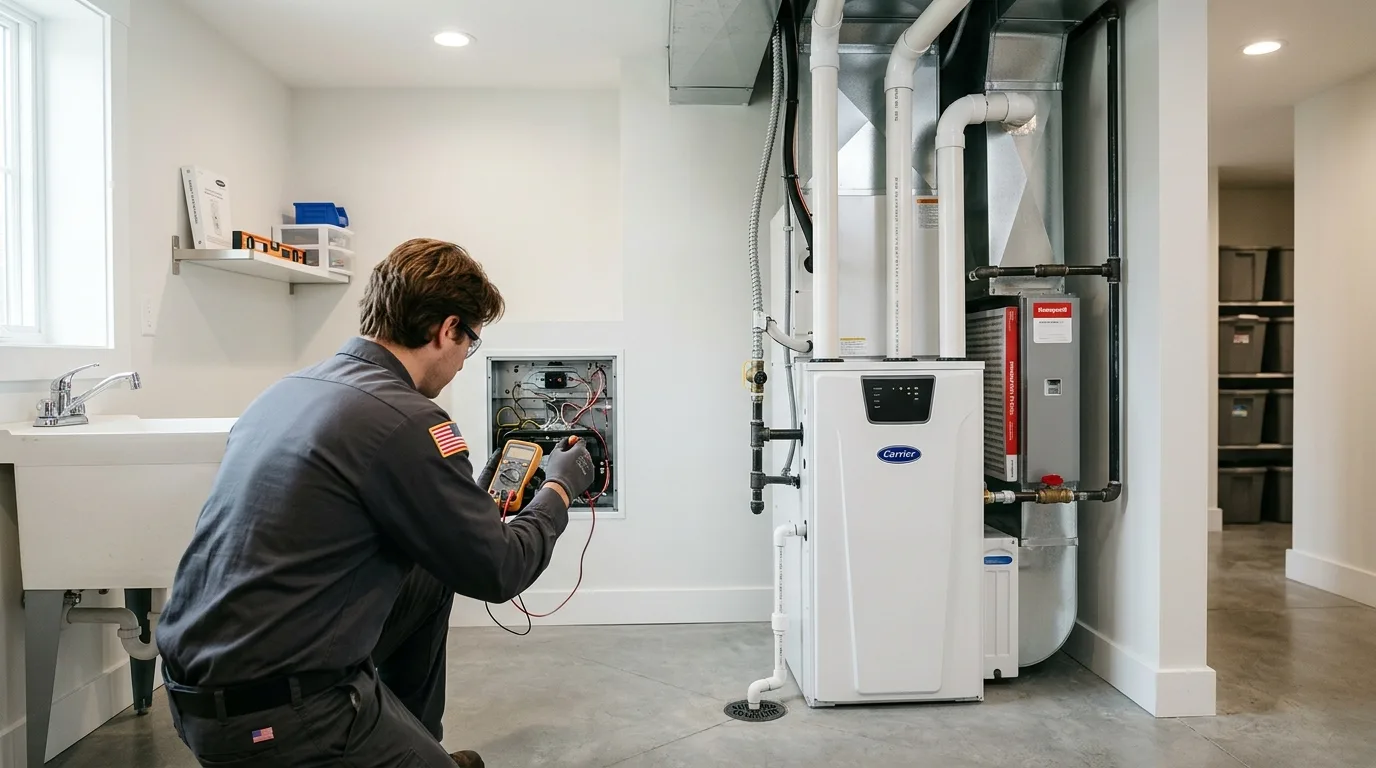
Boston HVAC Permit Rules: When is a Permit Required?
For homeowners in the area, permits are mandatory for most HVAC installations, replacements, and major repairs to ensure compliance with the Massachusetts State Building Code. Routine maintenance, filter replacements, and minor repairs are generally exempt from this requirement. As an HVAC technician with 15 years in the field, I understand that navigating these rules can seem complex, but they are crucial for your home's safety and proper system operation.
Key Takeaways
- Most HVAC installations, replacements, and major repairs require a mechanical permit.
- Routine maintenance, filter changes, and minor repairs are generally exempt (780 CMR).
- Permits for all mechanical, plumbing, gas fitting, and electrical work are only issued to Massachusetts-licensed professionals, not homeowners.
- Licensed gas fitters must obtain permits for any gas-fired HVAC components.
- Technicians handling refrigerants must hold EPA Section 608 certification.
- Proper permitting is crucial for safety, code compliance, and eligibility for programs like Mass Save.
When is an HVAC Permit Required in the area?
Understanding when an HVAC permit is necessary can save you a lot of trouble and ensure your work is compliant. Most HVAC installations, replacements, and major repairs in Massachusetts require a mechanical permit. This applies to projects in the area as well. The purpose of these permits is to ensure all work meets the stringent standards of the Massachusetts State Building Code (780 CMR).
Specifically, in the area, permits are required for most HVAC work involving installing new furnaces, boilers, or air conditioning systems. This includes comprehensive replacements where an old system is removed and a new one put in its place. Major repairs that significantly alter the system's configuration or capacity also fall under permit requirements. This is because such work directly impacts your home's structural and safety integrity.
However, not every HVAC task demands a permit. Routine HVAC maintenance, such as filter replacement, thermostat swaps, and minor repairs that do not alter the system's configuration or capacity, are generally exempt. This exemption is outlined under the Massachusetts Building Code (780 CMR). You typically won't need to pull a permit for changing a clogged air filter or replacing a broken thermostat. These smaller jobs are considered standard upkeep, not major system changes.
The distinction between minor repair and major alteration is important. For instance, if you're replacing a small component with an identical one and it doesn't affect the system's overall design, a permit might not be needed. But if you're upgrading to a different type of system, changing the fuel source, or significantly modifying ductwork, a permit will almost certainly be required. This ensures that any substantial changes are reviewed by local authorities to guarantee safety and efficiency.
Who Can Obtain HVAC Permits & What Licenses Are Needed?
It's vital to know that as a homeowner, you generally cannot obtain HVAC-related permits yourself in Massachusetts. Permits for plumbing, gas fitting, electrical, and sheet metal/mechanical work are only issued to Massachusetts licensed professionals. This includes all necessary permits for HVAC components. This rule ensures that only qualified individuals, who have demonstrated competency and understanding of the codes, are performing complex and potentially hazardous work.
For projects involving gas-fired HVAC components, such as furnaces or boilers, Massachusetts General Law requires a licensed gas fitter to obtain all necessary permits. Homeowners are generally not allowed to secure these permits themselves. The licensed gas fitter is responsible for ensuring the installation complies with all state gas codes. This is a crucial safety measure to prevent gas leaks and other serious dangers. The Massachusetts Board of Registration of Plumbers and Gas Fitters oversees this licensing process, ensuring strict adherence to safety standards.
Regarding licensing for technicians, Massachusetts does not have state-level general HVAC contractor licensing requirements. This means there isn't a single "HVAC license" that covers all aspects of the trade across the state. However, specialized licenses are absolutely required for specific tasks. For example, a Refrigeration Technician License is required for professionals who handle refrigerants. This applies to systems with capacities of at least 10 tons, which typically applies to commercial and industrial settings but is essential to know for larger residential units. These technicians must also hold EPA Section 608 certification to work on equipment that could release refrigerants into the atmosphere. This ensures proper handling of environmentally sensitive materials.
So, when you hire a contractor for HVAC work, always verify their specific licenses. Ensure they are qualified for the exact type of work your project entails. A reputable contractor will be transparent about their credentials and the permits required for your job. They will handle the permit application process through channels like the City of the area's Inspectional Services Department online portal, which aims to simplify the permitting process.
Why HVAC Permits are Crucial for the area Homeowners
While the permit process might seem like an extra step, it serves several critical functions that protect you and your home. First and foremost, permits ensure safety and compliance with the Massachusetts State Building Code (780 CMR). These codes are designed to prevent dangerous situations, such as faulty gas connections, inadequate ventilation, or electrical hazards. An inspection following permitted work verifies that the installation meets these safety standards, providing peace of mind.
Beyond safety, permits offer significant financial protection. Homeowners in Massachusetts who do not use registered contractors or fail to obtain necessary permits for HVAC-related plumbing or gas work may not receive payment from the Massachusetts guaranty fund if issues arise. This fund is designed to protect consumers from financial loss due to a contractor's faulty work. Without proper permits and licensed professionals, you could be left with expensive repairs out of pocket if something goes wrong.
Furthermore, proper installation and associated permits are crucial for eligibility for various energy efficiency programs. Mass Save offers rebates and incentives for energy-efficient heat pump installations and other HVAC upgrades in Massachusetts. If your new high-efficiency system is installed without the required permits and inspections, you could be ineligible for these valuable financial incentives. This means missing out on potential savings that could significantly offset the cost of your upgrade. Proper permitting validates the work, ensuring it meets the standards required for such programs.
In essence, permits are a safeguard. They protect your family from hazards, your wallet from unexpected costs, and your investment in energy-efficient upgrades. Always insist on permitted work by licensed professionals. It's not just a legal requirement; it's a smart homeowner decision.
Warning: Never attempt complex HVAC installations or repairs yourself, or hire an unlicensed individual, to avoid permit requirements. This carries significant risks in Massachusetts. Unpermitted work can lead to dangerous situations like gas leaks, carbon monoxide poisoning, electrical fires, or severe water damage. You could also face substantial fines, be forced to dismantle and redo the work, and void your homeowner's insurance. Remember, if issues arise, you forfeit protection from the Massachusetts guaranty fund if proper permits and registered contractors are not used.
Pro tip: Always ask your HVAC contractor for their Massachusetts license numbers for gas fitting (if applicable) and refrigeration (if applicable for larger systems). Also, request the permit number *before* any major work begins. You can often verify permit status and contractor licenses through the City of the area's online permitting portal or state licensing boards. This simple step helps ensure you're working with legitimate professionals and that your project is legally sound.
Navigating HVAC permit rules in the area is a vital part of being a responsible homeowner. By understanding when permits are required, who obtains them, and why they are so important, you can ensure your home's heating and cooling systems are installed and repaired safely and legally. This provides comfort for your family and protects your investment, giving you peace of mind throughout the seasons.
Planning an HVAC installation or major repair and need a licensed professional who understands all the area permit requirements? Contact WinFix Home Services for reliable HVAC service you can trust. Visit WinFix.com/#ask to schedule a consultation with a licensed HVAC technician.
Related Boston Homeowner Guides: